Trend forecasting vs user research.
Two sides of the same pattern-recognition muscle
Trend forecasting is often misunderstood as guessing the future. Instead, it is pattern recognition under uncertainty.
Insights
January 13, 2026
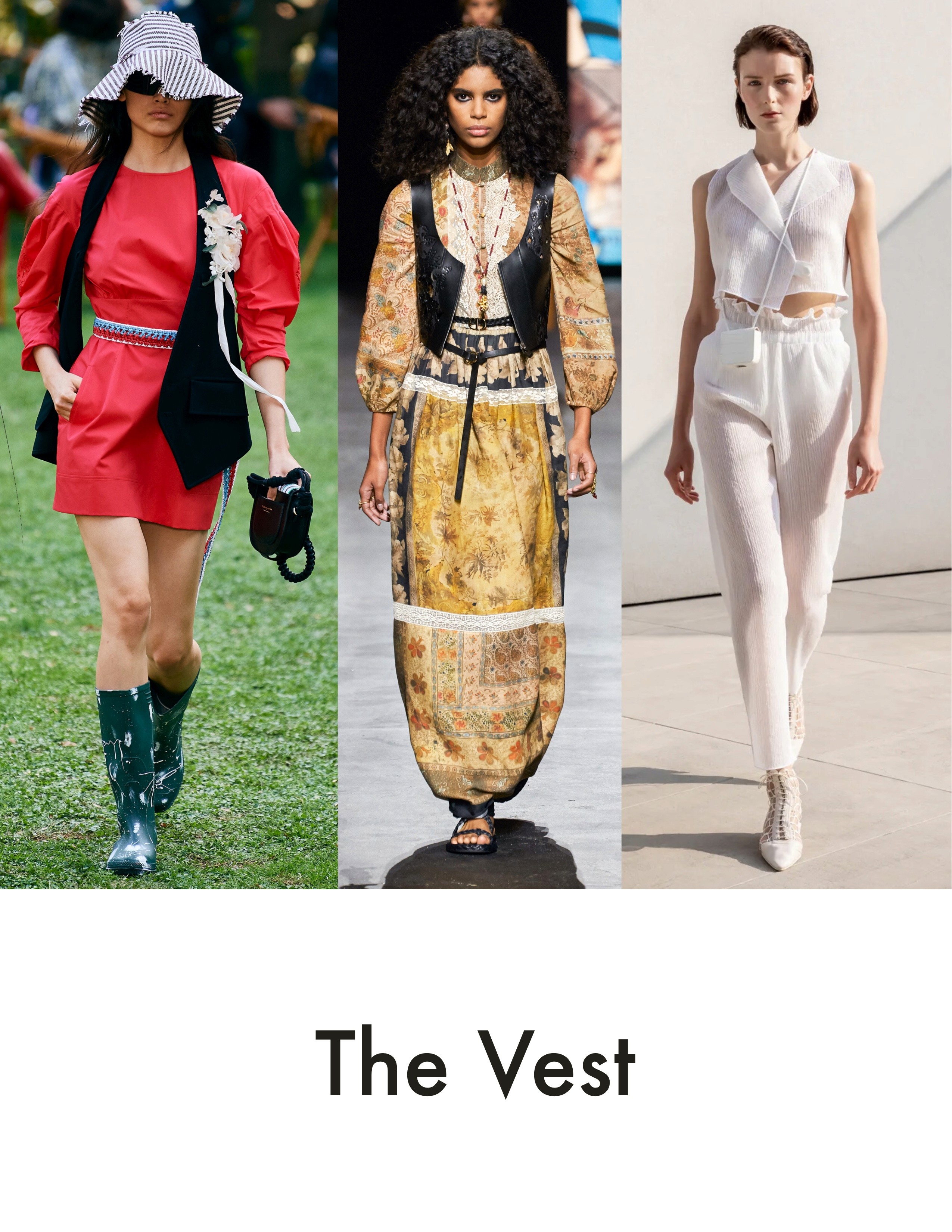

In apparel and home fashions, forecasting means scanning culture, influencers, consumer behavior, retail data, social signals, and macro shifts, then asking a simple question: what is starting to change, and why? You are not predicting exactly what people will buy. You are identifying signals early enough to make informed decisions across categories, price points, and timelines.
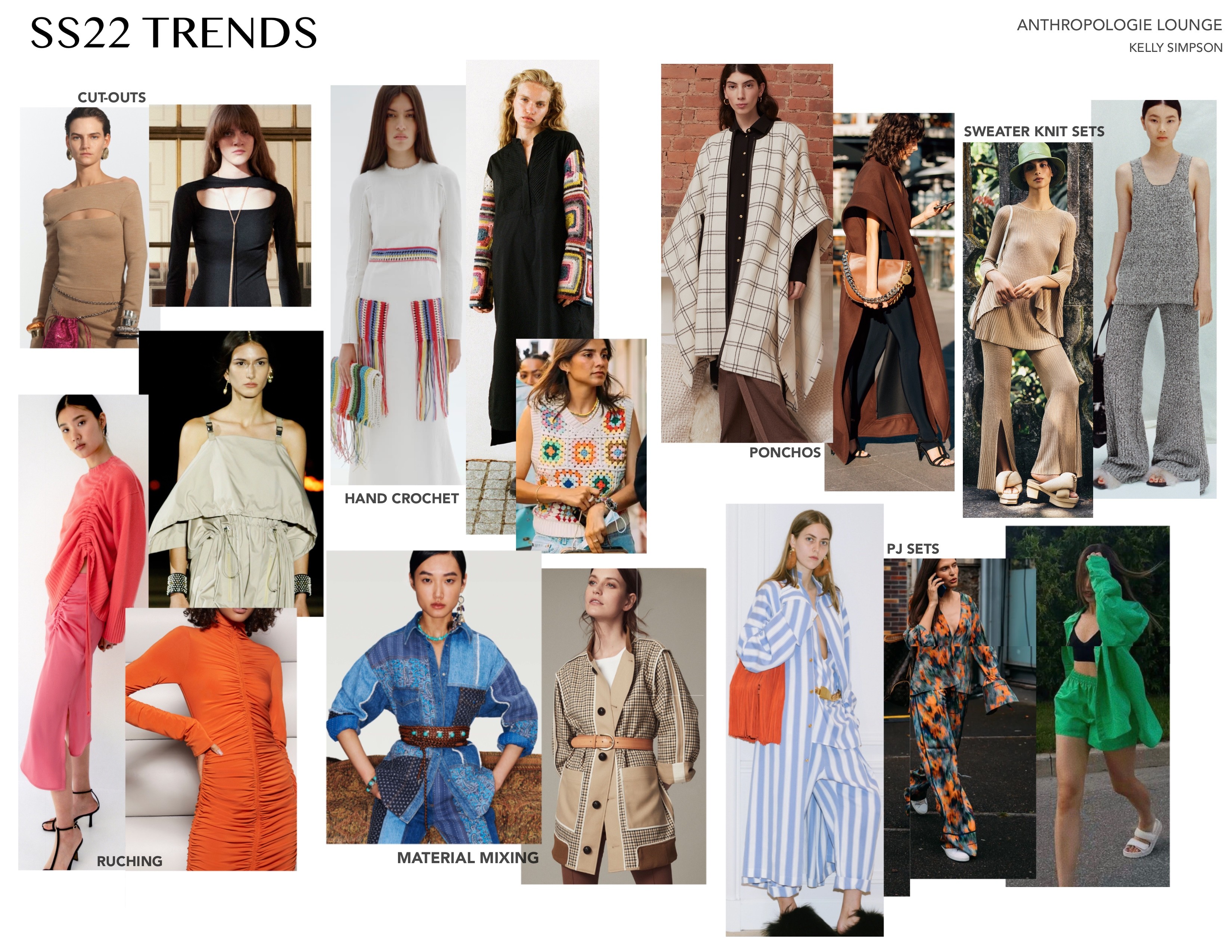
Home makes this especially clear. Lead times are longer. Commitments are heavier. Materials, factories, and floor space lock decisions early. You cannot chase every signal. You have to decide which patterns are strong enough to carry not just across seasons, but across years, and which ones will fade.
User research works the same way. Good research is not about collecting opinions or validating a preferred idea. It is about noticing patterns across what people say and what they do. Insight rarely lives in a single interview or metric. It shows up when friction repeats.
Home makes this especially clear. Lead times are longer. Commitments are heavier. Materials, factories, and floor space lock decisions early. You cannot chase every signal. You have to decide which patterns are strong enough to carry not just across seasons, but across years, and which ones will fade.
User research works the same way. Good research is not about collecting opinions or validating a preferred idea. It is about noticing patterns across what people say and what they do. Insight rarely lives in a single interview or metric. It shows up when friction repeats.

Trend forecasting and user research reward the same skill: separating signal from noise. In fashion and home, one viral trend does not mean much on its own. You look for consistency across regions, channels, and customer segments. When the same behavior keeps resurfacing, you take note, capture it, and let it sit. In UX, one user complaint does not define the problem. You watch where people hesitate, create workarounds, or abandon a flow. You document it, add it to your research, and let it sit.
Not every pattern deserves action. Some are temporary, some conflict with brand, cost, or operational reality, and some are interesting but not useful. Strong designers know when to keep observing and when to clear the board.

Forecasting trains you to think in probabilities, not certainties. User research does the same. You are rarely right. You are trying to be less wrong than the alternative. This is why designers with apparel and home backgrounds often transition well into UX. We are comfortable making decisions with incomplete information, long lead times, and real constraints.
Different tools, same muscle. And the better you get at recognizing patterns, the more confident your decisions become.
More to Discover

Trend forecasting vs user research.
Two sides of the same pattern-recognition muscle
Trend forecasting is often misunderstood as guessing the future. Instead, it is pattern recognition under uncertainty.
Insights
January 13, 2026
In apparel and home fashions, forecasting means scanning culture, influencers, consumer behavior, retail data, social signals, and macro shifts, then asking a simple question: what is starting to change, and why? You are not predicting exactly what people will buy. You are identifying signals early enough to make informed decisions across categories, price points, and timelines.
Home makes this especially clear. Lead times are longer. Commitments are heavier. Materials, factories, and floor space lock decisions early. You cannot chase every signal. You have to decide which patterns are strong enough to carry not just across seasons, but across years, and which ones will fade.
User research works the same way. Good research is not about collecting opinions or validating a preferred idea. It is about noticing patterns across what people say and what they do. Insight rarely lives in a single interview or metric. It shows up when friction repeats.
Home makes this especially clear. Lead times are longer. Commitments are heavier. Materials, factories, and floor space lock decisions early. You cannot chase every signal. You have to decide which patterns are strong enough to carry not just across seasons, but across years, and which ones will fade.
User research works the same way. Good research is not about collecting opinions or validating a preferred idea. It is about noticing patterns across what people say and what they do. Insight rarely lives in a single interview or metric. It shows up when friction repeats.
Trend forecasting and user research reward the same skill: separating signal from noise. In fashion and home, one viral trend does not mean much on its own. You look for consistency across regions, channels, and customer segments. When the same behavior keeps resurfacing, you take note, capture it, and let it sit. In UX, one user complaint does not define the problem. You watch where people hesitate, create workarounds, or abandon a flow. You document it, add it to your research, and let it sit.
Not every pattern deserves action. Some are temporary, some conflict with brand, cost, or operational reality, and some are interesting but not useful. Strong designers know when to keep observing and when to clear the board.
Forecasting trains you to think in probabilities, not certainties. User research does the same. You are rarely right. You are trying to be less wrong than the alternative. This is why designers with apparel and home backgrounds often transition well into UX. We are comfortable making decisions with incomplete information, long lead times, and real constraints.
Different tools, same muscle. And the better you get at recognizing patterns, the more confident your decisions become.
More to Discover
Trend forecasting vs user research.
Two sides of the same pattern-recognition muscle
Trend forecasting is often misunderstood as guessing the future. Instead, it is pattern recognition under uncertainty.
Insights
January 13, 2026
In apparel and home fashions, forecasting means scanning culture, influencers, consumer behavior, retail data, social signals, and macro shifts, then asking a simple question: what is starting to change, and why? You are not predicting exactly what people will buy. You are identifying signals early enough to make informed decisions across categories, price points, and timelines.
Home makes this especially clear. Lead times are longer. Commitments are heavier. Materials, factories, and floor space lock decisions early. You cannot chase every signal. You have to decide which patterns are strong enough to carry not just across seasons, but across years, and which ones will fade.
User research works the same way. Good research is not about collecting opinions or validating a preferred idea. It is about noticing patterns across what people say and what they do. Insight rarely lives in a single interview or metric. It shows up when friction repeats.
Home makes this especially clear. Lead times are longer. Commitments are heavier. Materials, factories, and floor space lock decisions early. You cannot chase every signal. You have to decide which patterns are strong enough to carry not just across seasons, but across years, and which ones will fade.
User research works the same way. Good research is not about collecting opinions or validating a preferred idea. It is about noticing patterns across what people say and what they do. Insight rarely lives in a single interview or metric. It shows up when friction repeats.
Trend forecasting and user research reward the same skill: separating signal from noise. In fashion and home, one viral trend does not mean much on its own. You look for consistency across regions, channels, and customer segments. When the same behavior keeps resurfacing, you take note, capture it, and let it sit. In UX, one user complaint does not define the problem. You watch where people hesitate, create workarounds, or abandon a flow. You document it, add it to your research, and let it sit.
Not every pattern deserves action. Some are temporary, some conflict with brand, cost, or operational reality, and some are interesting but not useful. Strong designers know when to keep observing and when to clear the board.
Forecasting trains you to think in probabilities, not certainties. User research does the same. You are rarely right. You are trying to be less wrong than the alternative. This is why designers with apparel and home backgrounds often transition well into UX. We are comfortable making decisions with incomplete information, long lead times, and real constraints.
Different tools, same muscle. And the better you get at recognizing patterns, the more confident your decisions become.