From Physical to Digital
What fashion design taught me about designing constraints
As a junior fashion designer, I thought it was all about creativity. Sketching, mood boards, big ideas, trends.
I quickly realized the real work was constraints.
Insights
January 6, 2026
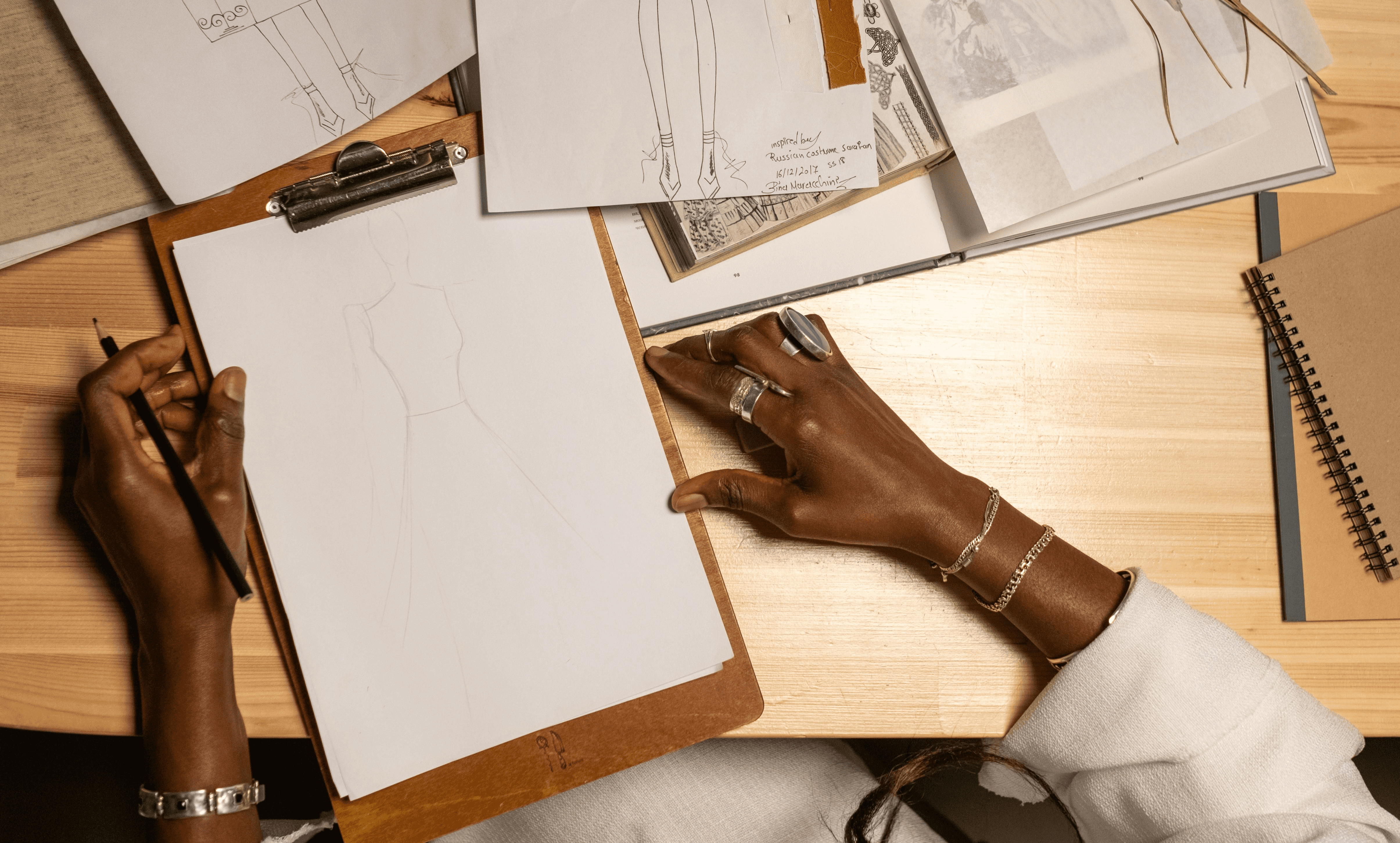
Every garment lives inside a tight box. Trend relevance, cost, fabric availability, factory limits, sizing, timelines, margins. If you ignore any one of those, the design immediately falls apart. You are not designing a dress. You are designing something that has to survive production, scale across bodies, ship on time, hit a price point, and still look intentional on a rack. A beautiful sample that cannot scale is not a win. It is a problem to clean up.
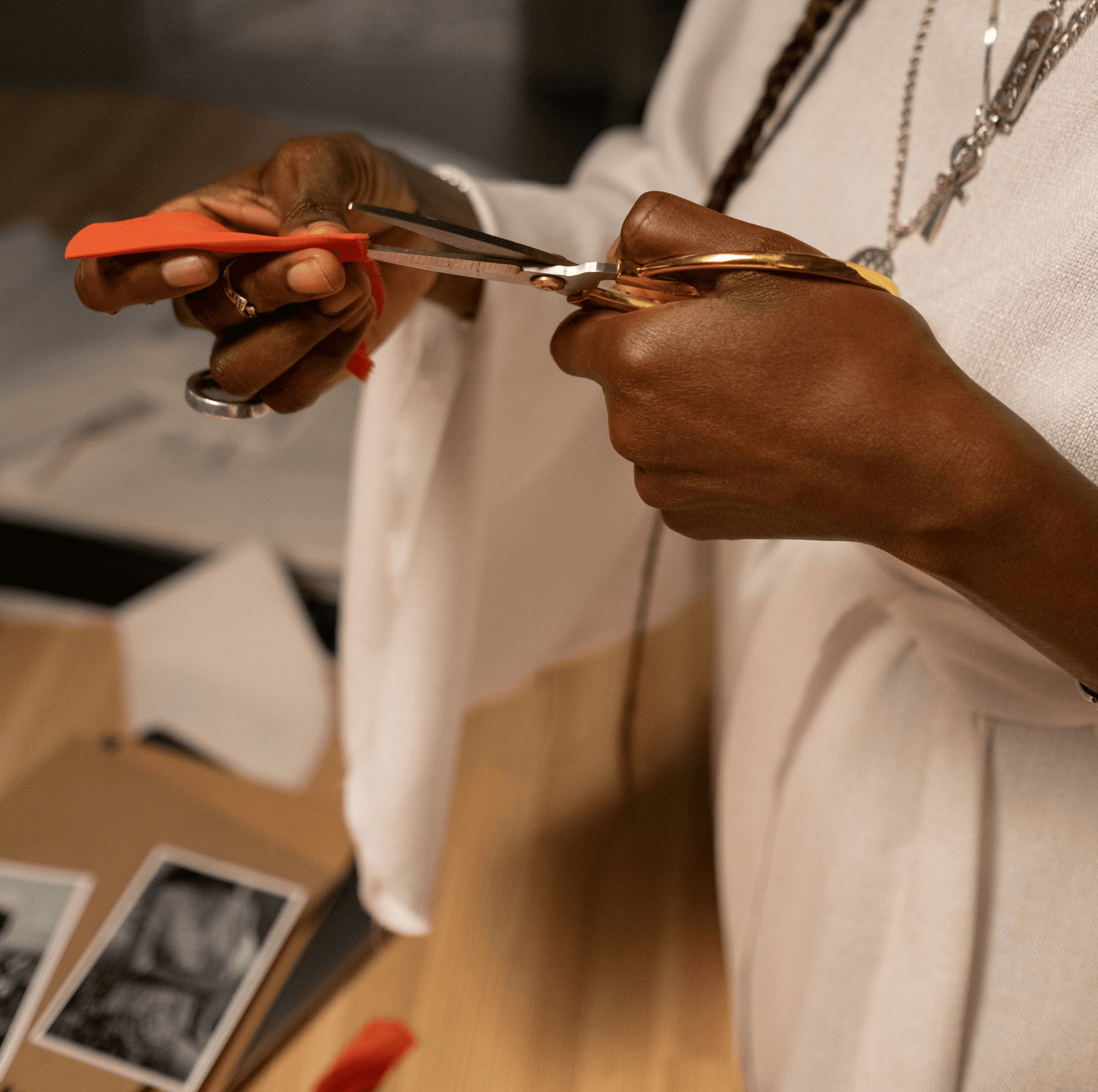
That way of thinking shapes how I approach any design problem. Digital design feels flexible on the surface, with infinite screens and endless ideas. In practice, it lives inside the same kind of constraints: engineering limits, accessibility requirements, performance trade-offs, business goals, legal rules, and unpredictable user behavior.Early designers try to escape constraints. Experienced designers work inside them.

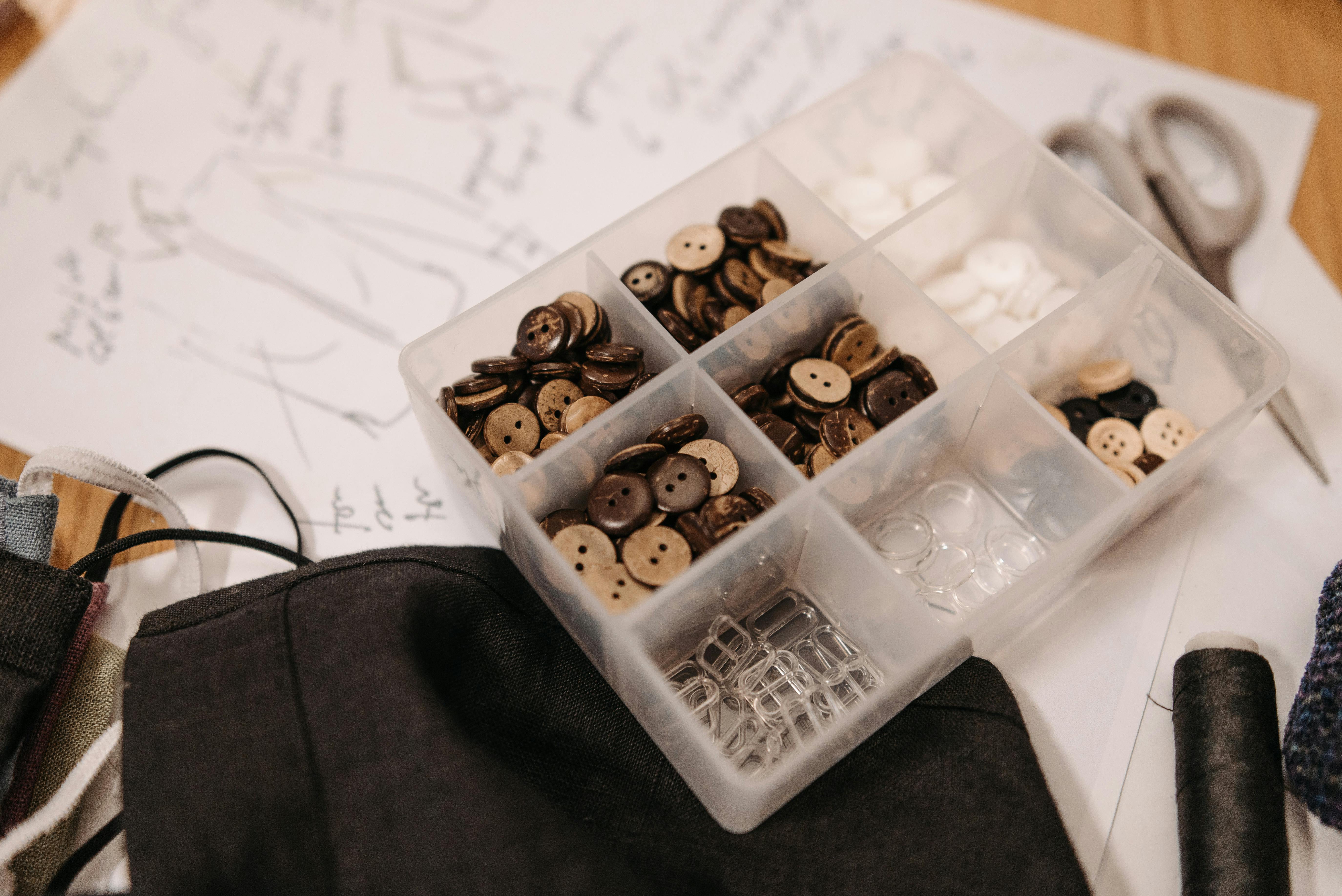
Fashion design trains you to constantly make peace with trade-offs. You learn quickly that not every idea deserves to live. If a button adds too much cost, it changes or disappears. If a fabric that’s already been committed to fights the design, you change the design, not the fabric. If the sewers do not have the machinery to make the pocket you imagined, you redesign the pocket. Taste matters, but discipline matters more.
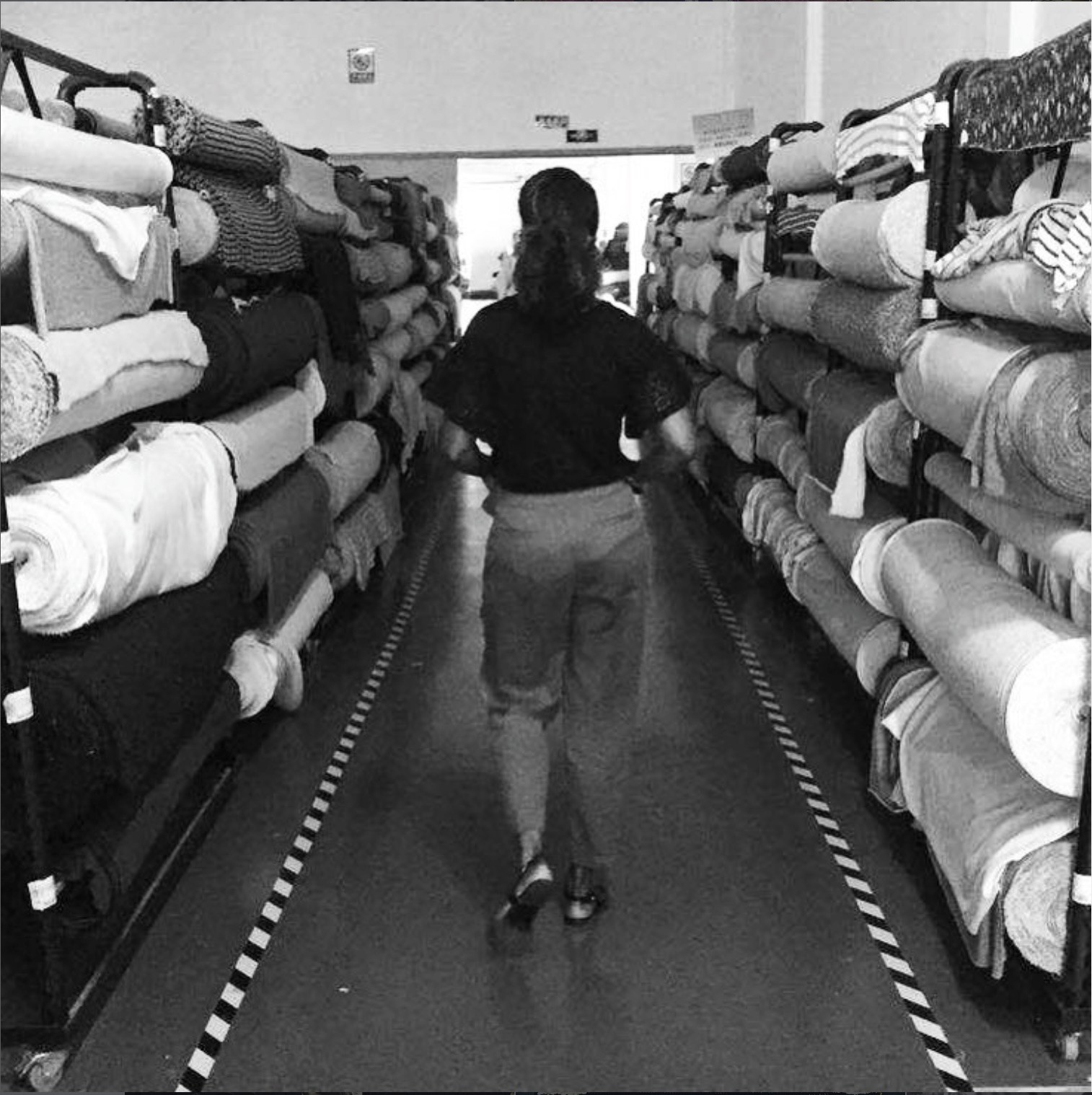
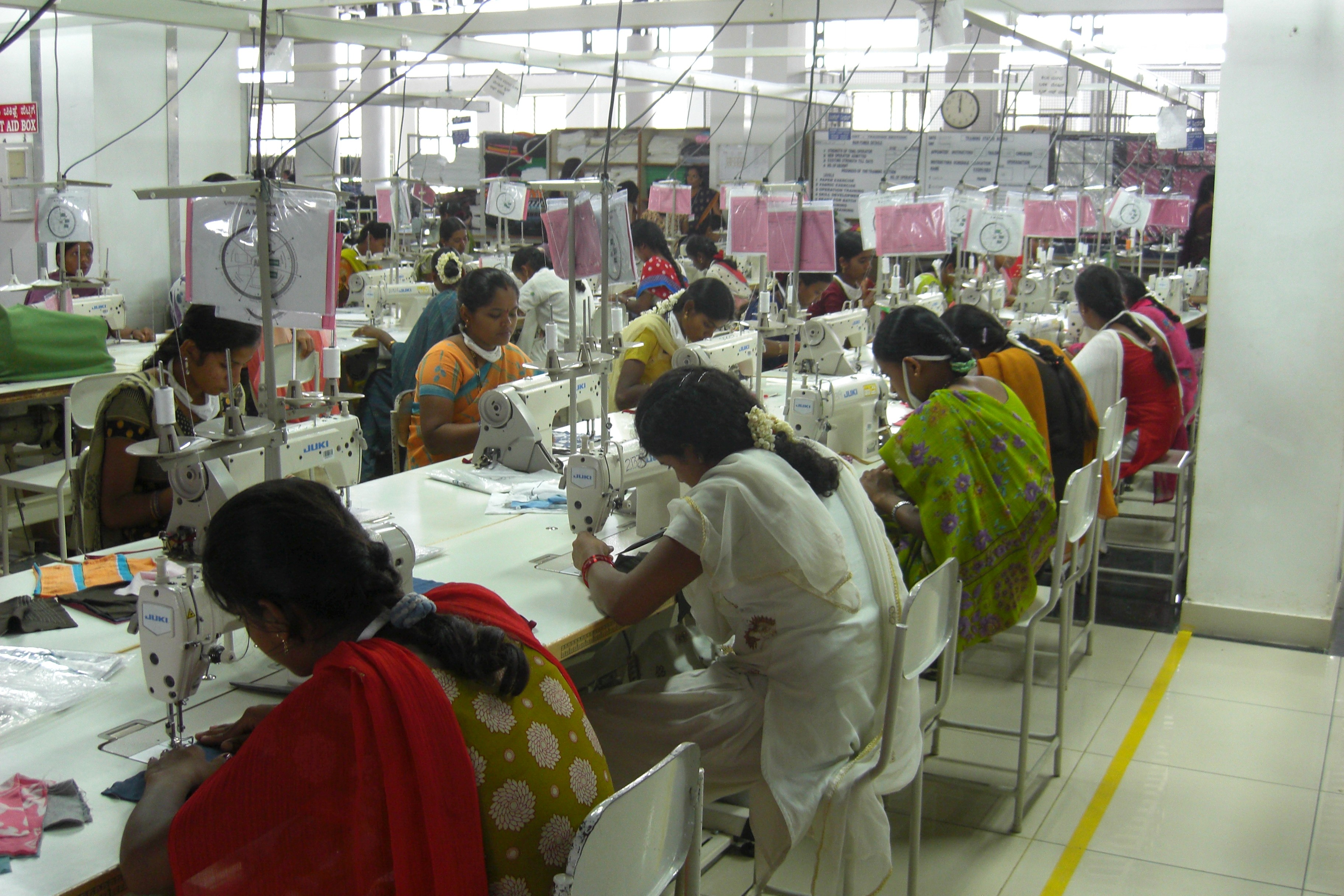
The same thing shows up in UX. If an interaction adds cognitive load, it is noise. If a feature takes longer to explain than it does to use, something is off. If a system cannot scale, it will break the moment real users touch it.
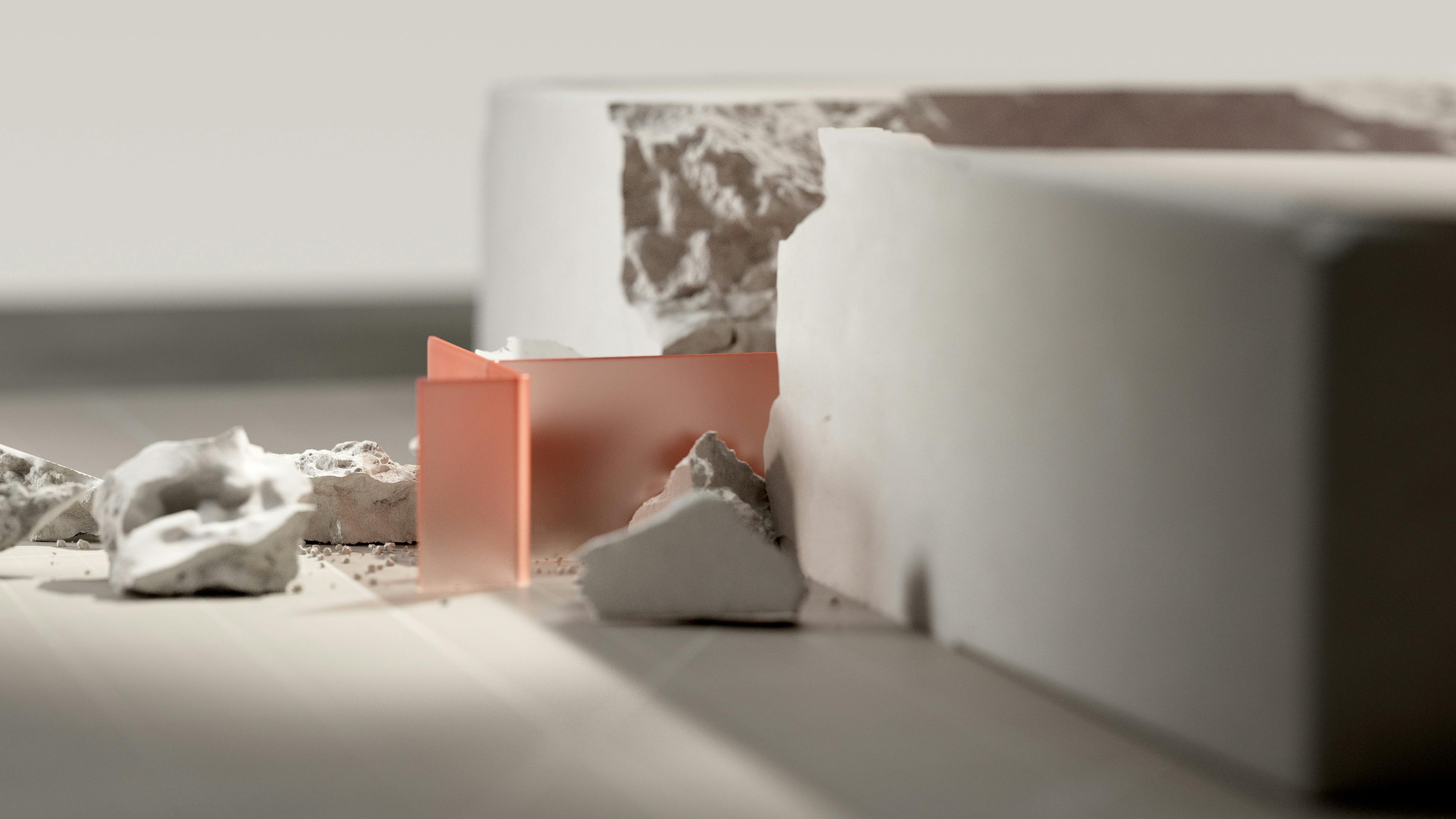
Fashion design trains you to constantly make peace with trade-offs. You learn quickly that not every idea deserves to live. If a button adds too much cost, it changes or disappears. If a fabric that’s already been committed to fights the design, you change the design, not the fabric. If the sewers do not have the machinery to make the pocket you imagined, you redesign the pocket. Taste matters, but discipline matters more.
This is why designers with physical product backgrounds often transition well into UX. We are used to constraints. We are used to saying no. We are used to designing for reality, not just for presentation. Constraints are not the opposite of creativity. They are how you shape it. Once you stop fighting them, design stops being decoration and starts solving problems.
More to Discover
From Physical to Digital
What fashion design taught me about designing constraints
As a junior fashion designer, I thought it was all about creativity. Sketching, mood boards, big ideas, trends.
I quickly realized the real work was constraints.
Insights
January 6, 2026
Every garment lives inside a tight box. Trend relevance, cost, fabric availability, factory limits, sizing, timelines, margins. If you ignore any one of those, the design immediately falls apart. You are not designing a dress. You are designing something that has to survive production, scale across bodies, ship on time, hit a price point, and still look intentional on a rack. A beautiful sample that cannot scale is not a win. It is a problem to clean up.
That way of thinking shapes how I approach any design problem. Digital design feels flexible on the surface, with infinite screens and endless ideas. In practice, it lives inside the same kind of constraints: engineering limits, accessibility requirements, performance trade-offs, business goals, legal rules, and unpredictable user behavior.Early designers try to escape constraints. Experienced designers work inside them.
Fashion design trains you to constantly make peace with trade-offs. You learn quickly that not every idea deserves to live. If a button adds too much cost, it changes or disappears. If a fabric that’s already been committed to fights the design, you change the design, not the fabric. If the sewers do not have the machinery to make the pocket you imagined, you redesign the pocket. Taste matters, but discipline matters more.
The same thing shows up in UX. If an interaction adds cognitive load, it is noise. If a feature takes longer to explain than it does to use, something is off. If a system cannot scale, it will break the moment real users touch it.
Fashion design trains you to constantly make peace with trade-offs. You learn quickly that not every idea deserves to live. If a button adds too much cost, it changes or disappears. If a fabric that’s already been committed to fights the design, you change the design, not the fabric. If the sewers do not have the machinery to make the pocket you imagined, you redesign the pocket. Taste matters, but discipline matters more.
This is why designers with physical product backgrounds often transition well into UX. We are used to constraints. We are used to saying no. We are used to designing for reality, not just for presentation. Constraints are not the opposite of creativity. They are how you shape it. Once you stop fighting them, design stops being decoration and starts solving problems.
More to Discover
From Physical to Digital
What fashion design taught me about designing constraints
As a junior fashion designer, I thought it was all about creativity. Sketching, mood boards, big ideas, trends.
I quickly realized the real work was constraints.
Insights
January 6, 2026
Every garment lives inside a tight box. Trend relevance, cost, fabric availability, factory limits, sizing, timelines, margins. If you ignore any one of those, the design immediately falls apart. You are not designing a dress. You are designing something that has to survive production, scale across bodies, ship on time, hit a price point, and still look intentional on a rack. A beautiful sample that cannot scale is not a win. It is a problem to clean up.
That way of thinking shapes how I approach any design problem. Digital design feels flexible on the surface, with infinite screens and endless ideas. In practice, it lives inside the same kind of constraints: engineering limits, accessibility requirements, performance trade-offs, business goals, legal rules, and unpredictable user behavior.Early designers try to escape constraints. Experienced designers work inside them.
Fashion design trains you to constantly make peace with trade-offs. You learn quickly that not every idea deserves to live. If a button adds too much cost, it changes or disappears. If a fabric that’s already been committed to fights the design, you change the design, not the fabric. If the sewers do not have the machinery to make the pocket you imagined, you redesign the pocket. Taste matters, but discipline matters more.
The same thing shows up in UX. If an interaction adds cognitive load, it is noise. If a feature takes longer to explain than it does to use, something is off. If a system cannot scale, it will break the moment real users touch it.
Fashion design trains you to constantly make peace with trade-offs. You learn quickly that not every idea deserves to live. If a button adds too much cost, it changes or disappears. If a fabric that’s already been committed to fights the design, you change the design, not the fabric. If the sewers do not have the machinery to make the pocket you imagined, you redesign the pocket. Taste matters, but discipline matters more.
This is why designers with physical product backgrounds often transition well into UX. We are used to constraints. We are used to saying no. We are used to designing for reality, not just for presentation. Constraints are not the opposite of creativity. They are how you shape it. Once you stop fighting them, design stops being decoration and starts solving problems.